

Online Tool Store
Add a review FollowOverview
-
Founded Date November 30, 1922
-
Sectors Engineering
-
Posted Jobs 0
-
Viewed 14
Company Description
10 Quick Tips To Tools Shop
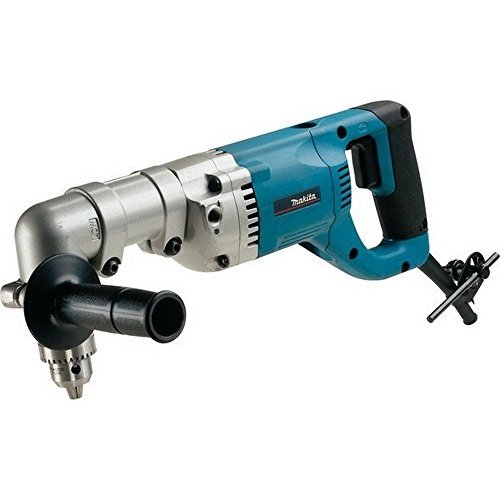
The Ultimate Guide to Tools Shops: Everything You Need to Know
In today’s world, tools are vital for a myriad of jobs varying from easy home repair work to intricate building tasks. Whether one is a DIY enthusiast or an expert contractor, having the right tools makes all the distinction. This thorough guide explores the world of tools shops, exploring what they provide, the numerous types of tools readily available, and suggestions for shopping smartly.
Comprehending Tools Shops
Tools shops are specialized retail outlets using a vast array of hand tools, power tools, accessories, and related devices. The main audience for these shops consists of:
- DIY Enthusiasts: Individuals handling home enhancement tasks.
- Experts: Contractors and tradespeople who count on high-quality tools for their work.
- Hobbyists: Individuals engaged in crafts, vehicle work, or other specialized activities.
| Kind Of Tool Shop | Description |
|---|---|
| Hardware Stores | General shops with a broad selection of tools. |
| Specialized Tool Shops | Concentrated on specific types of tools Close To me (e.g., woodworking). |
| Online Retailers | E-commerce platforms offering tools for delivery. |
| Rental Shops | Provide tools for short-term usage without ownership. |
Types of Tools Available
When browsing a tools shop, clients will likely encounter a range of tools, which can be categorized into a number of groups:
Hand Tools
These are tools that are powered entirely by human effort and are vital for different tasks. Examples consist of:
- Wrenches: Used for grasping and turning nuts and bolts.
- Screwdrivers: Essential for driving screws into various products.
- Pliers: Varying types for different gripping and twisting requirements.
Power Tools
Power tools simplify tasks by increasing efficiency and accuracy. Some common types are:
- Drills: For drilling holes and driving screws.
- Saws: Including circular and jigsaws for cutting wood and other materials.
- Sanders: For smoothing surface areas and preparing them for ending up.
Measuring and Marking Tools
Accuracy is vital in any task, making measuring tools important. Common items include:
- Tape Measures: For measuring length and range.
- Levels: To make sure surface areas are even and directly.
- Marking Tools: Such as chalk lines and pencils for exact markings.
Safety Gear
Safety needs to always be a concern when dealing with tools. Important security equipment consists of:
- Gloves: Protect hands from cuts and abrasions.
- Eye Protection: Safety glasses or safety glasses to shield eyes from debris.
- Ear Protection: Earplugs or earmuffs to prevent hearing damage from loud equipment.
Looking for Tools
When going to a tools shop, it’s essential to be prepared to make informed decisions. Here are some ideas to think about:
1. Identify Your Needs
- Assess the specific jobs you plan to undertake.
- Prioritize tools that match your abilities and applications.
2. Research Study Brands and Reviews
- Examine trusted brand names understood for quality and dependability.
- Read consumer examines to gain insight into the efficiency of specific tools.
3. Compare Prices
- Don’t hesitate to explore numerous tools shops both online and brick-and-mortar to find the best deals.
- Try to find discounts, packages, and promotions.
4. Ask about Warranties
- Understand the warranty policies of the tools you plan to purchase.
- Search for tools with robust warranties as an indicator of quality.
Regularly Asked Questions (FAQs)
What should I consider when buying power tools?
When purchasing power tools, consider the tool’s function, wattage (for electric tools), battery life (for cordless tools), and security features. It’s likewise smart to select tools that have exchangeable parts.
Are more expensive tools always better?
Not always. While higher-priced tools frequently feature much better develop quality and resilience, some lesser-known brand names also offer dependable and cost-efficient choices. Research and evaluations can assist you in making a notified decision.
How do I preserve my tools properly?
Routine upkeep extends the life of your tools. Tidy tools after use, store them in a dry area, and look for indications of wear. Hone blades and lubricate moving parts as required.
Can I rent tools rather of buying them?
Yes! Renting tools can be a cost-effective choice if you only need a tool for a brief duration. Lots of tools shops offer rental services, enabling you to gain access to high-end devices without the high initial expenses.
In summary, tools shops are important resources for anyone associated with DIY tasks, professional contracting, or simply seeking to improve their ability set. Comprehending the kinds of tools available, shopping techniques, and maintenance practices makes sure that people can make the many of their purchases while securely taking part in various jobs. By leveraging the details presented in this guide, customers can confidently step into a tools shop, prepared to discover precisely what they require for their next huge task. Whether it’s for home improvement, expert work, or a hobby, the right tools can empower people to recognize their visions successfully.