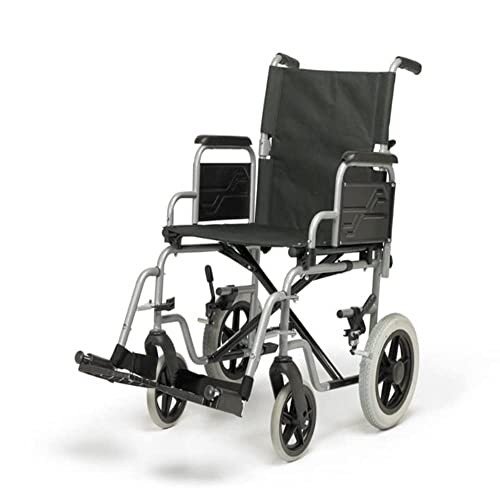

Mobility Scooters To Buy
Add a review FollowOverview
-
Founded Date August 14, 2013
-
Sectors Helper
-
Posted Jobs 0
-
Viewed 2
Company Description
12 Facts About Mobility Scooter Companies To Make You Think About The Other People
Exploring the World of Mobility Scooter Companies: A Comprehensive Guide
Mobility scooters work as an important methods of transport for individuals with mobility obstacles, providing them self-reliance and the ability to browse their surroundings. In recent years, the marketplace for mobility scooters has actually broadened significantly, triggering many business that manufacture, disperse, and support these important vehicles. This detailed guide looks for to provide insights into the leading mobility scooter companies, compare their offerings, and address some regularly asked concerns.
Introduction of the Mobility Scooter Market
According to market reports, the worldwide mobility scooter market is projected to continue its growth trajectory, reaching billions of dollars by the end of the decade. The main elements driving this growth are an aging population, increasing awareness of mobility options, and improvements in innovation. The market is identified by various gamers, ranging from specialized producers to bigger healthcare business.
Leading Mobility Scooter Companies
Here’s a detailed introduction of a few of the leading mobility scooter business in the industry:
| Company Name | Established | Key Models | Market Focus | Website |
|---|---|---|---|---|
| Pride Mobility | 1986 | Jazzy, Victory, Go-Go | Residential and business use | www.pridemobility.com |
| Drive Medical | 2000 | Radical, Scout, Spitfire | Health care and rehab | www.drivemedical.com |
| Golden Technologies | 1985 | LiteRider, Buzzaround, Avenger | Home and outside usage | www.goldentech.com |
| Invacare | 1885 | Iris, Colibri | Comprehensive mobility services | www.invacare.com |
| Amigo Mobility | 1968 | Amigo, Classic, Excel | Business and public transport | www.amigomobility.com |
| Electric Mobility | 1994 | Tranquil, Sirocco | Outdoor and rugged surface | www.electricmobility.co.uk |
Secret Features of Mobility Scooters
When thinking about a mobility scooter, it is necessary to examine numerous functions that can significantly affect user experience. Below are some basic features found in mobility Disability Scooters Near Me:
- Weight Capacity: Most scooters offer a series of weight capabilities, typically in between 300 to 500 pounds.
- Variety: Many models have a variety of around 10 to 30 miles on a single charge, depending upon battery size and usage.
- Speed: Standard speeds vary from 4 to 8 mph.
- Portability: Some scooters are designed to be lightweight and quickly taken apart, making them hassle-free for transportation.
- Convenience: Look for features such as padded seats, adjustable armrests, and personalized legroom.
- Terrain Capability: Depending on the meant usage, scooters can be equipped for smooth walkways or rugged terrains.
Here’s a contrast table highlighting the vital functions of popular designs from various business:
| Model | Weight Capacity | Variety | Leading Speed | Mobility | Surface |
|---|---|---|---|---|---|
| Jazzy 600 | 300 pounds | 15 miles | 4 miles per hour | No | Smooth |
| Scout 4 | 300 pounds | 15 miles | 4.25 mph | Yes | Smooth |
| LiteRider | 250 pounds | 15 miles | 4 mph | Yes | Smooth |
| Iris | 300 pounds | 20 miles | 5 miles per hour | No | Smooth |
| Amigo | 350 lbs | 20 miles | 7 miles per hour | Yes | Outdoor |
| Serene | 400 pounds | 25 miles | 6 mph | Yes | Rugged |
Picking the Right Mobility Scooter
Choosing the ideal mobility scooter needs mindful factor to consider of specific requirements and choices. Below are some aspects to consider:
- User’s Mobility Needs: Assess whether the scooter will be primarily used indoors, outdoors, or for a combination of both.
- Convenience Requirements: Consider the kind of seating, handlebars, and general style for convenience throughout use.
- Battery Life: Determine how far you need to take a trip on a single charge to pick a design with appropriate battery variety.
- Weight and Portability: If traveling often, prioritize light-weight, portable choices.
- Surface Adaptability: Choose scooters that can deal with the terrain you’ll come across, whether it’s sidewalks, gravel roads, or high slopes.
Frequently Asked Questions (FAQs)
1. Just how much do mobility scooters normally cost?
The rate of mobility scooters can differ commonly, varying from around ₤ 600 for fundamental models to over ₤ 3,000 for high-end, feature-rich alternatives. The cost frequently shows the scooter’s features, develop quality, and brand name track record.
2. Do mobility scooters require insurance or a license?
In a lot of jurisdictions, mobility scooters do not need a motorist’s license or insurance. Nevertheless, local policies might vary, and it is suggested to examine local laws before acquiring.
3. Can mobility scooters be used outdoors?
Yes, lots of mobility scooters are developed for outdoor use, geared up with functions like bigger wheels and much better traction. It’s important to select a design that explicitly states its outdoor capability for safety and performance.
4. Is it easy to dismantle a mobility scooter for travel?
Many portable scooters are designed for easy disassembly, permitting users to separate elements like the seat, battery, and base for transport. Nevertheless, each model will have special guidelines, so it’s essential to describe user manuals.
5. How can I preserve my mobility scooter?
Regular maintenance includes keeping the battery charged, checking tire pressure, cleaning up the scooter, and checking it for any signs of wear and tear. Many producers also offer standards for particular upkeep needs.
Mobility scooters are transformative lorries that significantly improve the quality of life for individuals with mobility restrictions. With a varied variety of business and models readily available, users can find scooters customized to their specific requirements and lifestyle. By comprehending the key features, market landscape, and maintenance considerations, customers can make educated options while seeking the mobility option that finest fits their requirements.
Choosing the right mobility scooter from relied on business not only boosts mobility but likewise promotes independence, permitting users to recover their flexibility and participate fully in everyday activities.